How to Choose the Right GSM for Your Sheet Mask
25g, 30g or 40g? GSM shapes absorption, feel, transparency and cost. Use this guide to match the weight to your formula and positioning.
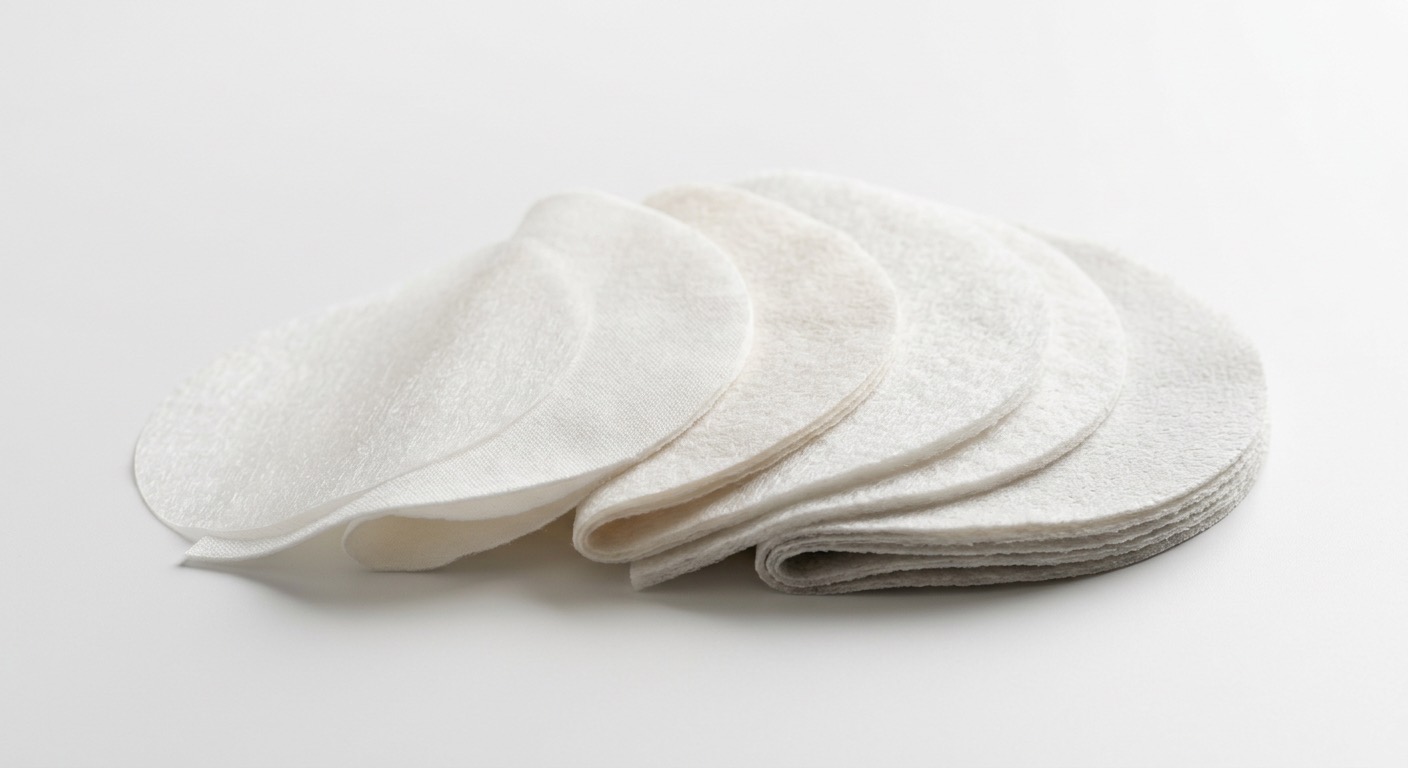
GSM — grams per square meter — is the single most useful number when specifying a sheet mask substrate. It quietly determines how much serum the sheet holds, how it feels on skin, how transparent it looks and how much it costs. Here is how to choose it deliberately.
What GSM actually measures
GSM is the mass of one square meter of dry substrate. Higher GSM usually means a denser, thicker sheet; lower GSM means a lighter, more transparent one.
It is a starting point, not a complete specification. Two 30 GSM substrates from different materials can hold very different amounts of serum, so always pair GSM with a measured absorption figure.
GSM and absorption
Within the same material, higher GSM generally holds more fluid — up to a point. Beyond that point the sheet becomes heavy, can slide on the face and takes longer to saturate evenly.
As a rule of thumb: 25-30 GSM suits light, watery essences; 35-40 GSM suits richer, more viscous formulas where a cushioned feel is desirable.
GSM, transparency and feel
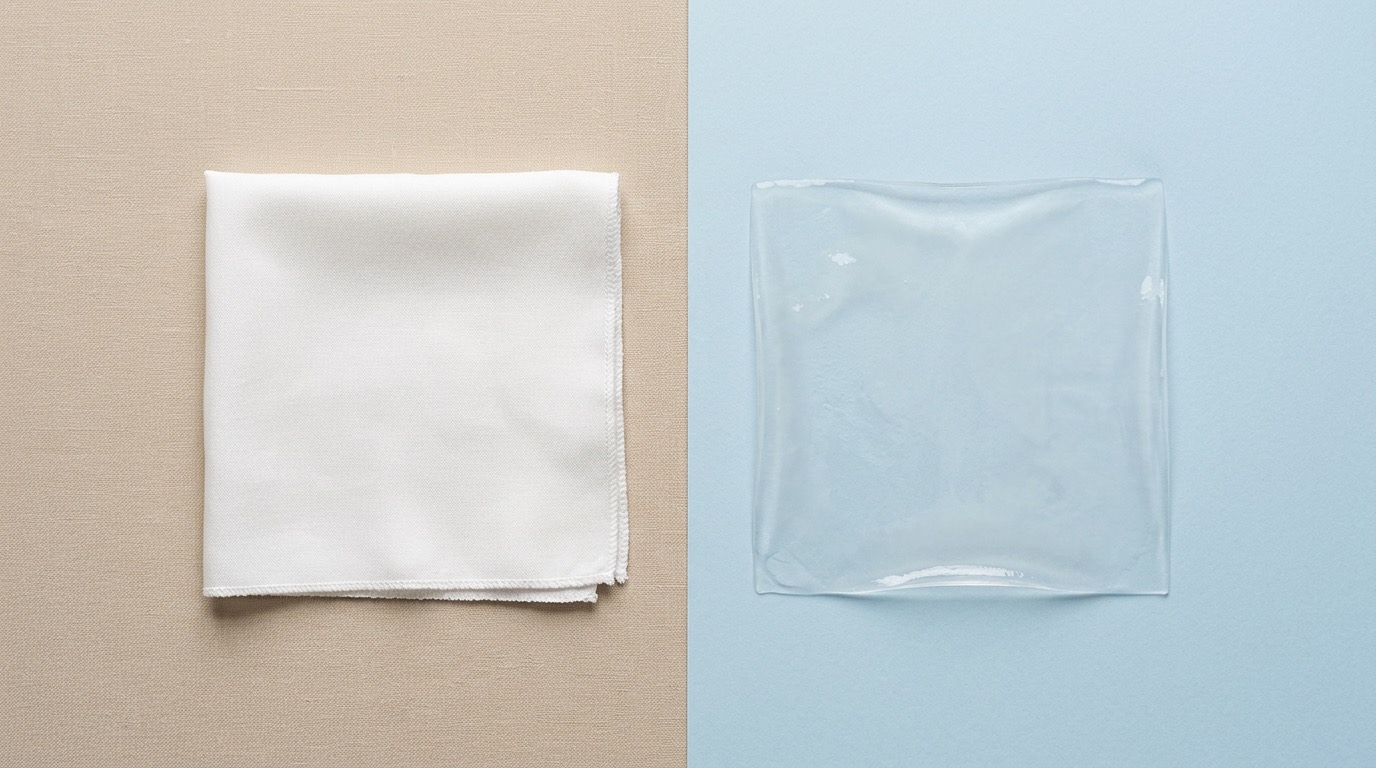
Lower GSM reads as more transparent and more 'premium invisible'; higher GSM reads as more substantial and spa-like. Neither is better — it depends on the experience you are selling.
If your hero claim is a barely-there, second-skin look, lean lighter. If it is a rich, comforting treatment, lean heavier.
GSM, cost and converting
More material means a higher cost per sheet and, often, a heavier and bulkier pack. Lower GSM reduces material cost but can be more delicate to convert at speed.
Balance the two against your price point: a mass-market SKU rarely needs 40 GSM, and a luxury SKU can justify it.
A simple selection guide
Daily hydration, light essence, high volume: 25-30 GSM. Rich anti-aging or overnight treatment: 35-40 GSM. Custom shapes and eye or lip formats: often 25-30 GSM for flexibility and adhesion.
Treat these as starting points and refine with samples, because the final choice depends on your exact formula and the feel you want in the hand.
Test before you commit
Soak candidate sheets with your real formula, then evaluate saturation time, drips, adhesion after ten minutes and how the sheet feels when removed. Photograph each for the marketing team.
A short, disciplined sample test prevents a costly full run in the wrong weight — and gives you the evidence to defend the choice internally.
Key takeaways
- GSM sets the baseline weight; always pair it with a measured absorption figure.
- 25-30 GSM for light, transparent, everyday masks; 35-40 GSM for rich treatments.
- Higher GSM costs more per sheet and can be bulkier to pack and ship.
- Test candidate weights with your actual formula before committing to a run.
Frequently asked questions
Is higher GSM always better?+
No. Higher GSM holds more serum but can feel heavy, slip on the face and cost more. Match it to your formula.
What GSM is most popular?+
30 GSM is the common middle ground for full-face masks; 25 GSM is popular for eye patches and lighter masks.
Does GSM affect transparency?+
Yes. Lower GSM substrates generally look more transparent on the skin.
Can I use different GSMs in one range?+
Absolutely. Many brands use a lighter GSM for daily masks and a heavier one for premium treatments.