Tencel vs Bio-Cellulose: Which Substrate Is Right for Your Brand?
A practical, side-by-side comparison of absorption, drape, cost and sustainability — so you can choose the substrate that fits your line, not the trend.
Tencel and bio-cellulose are the two materials most often named when a brand says 'premium sheet mask'. They feel similar on the shelf and behave very differently in production. This comparison breaks down the trade-offs so you can make a deliberate choice.
The two materials at a glance
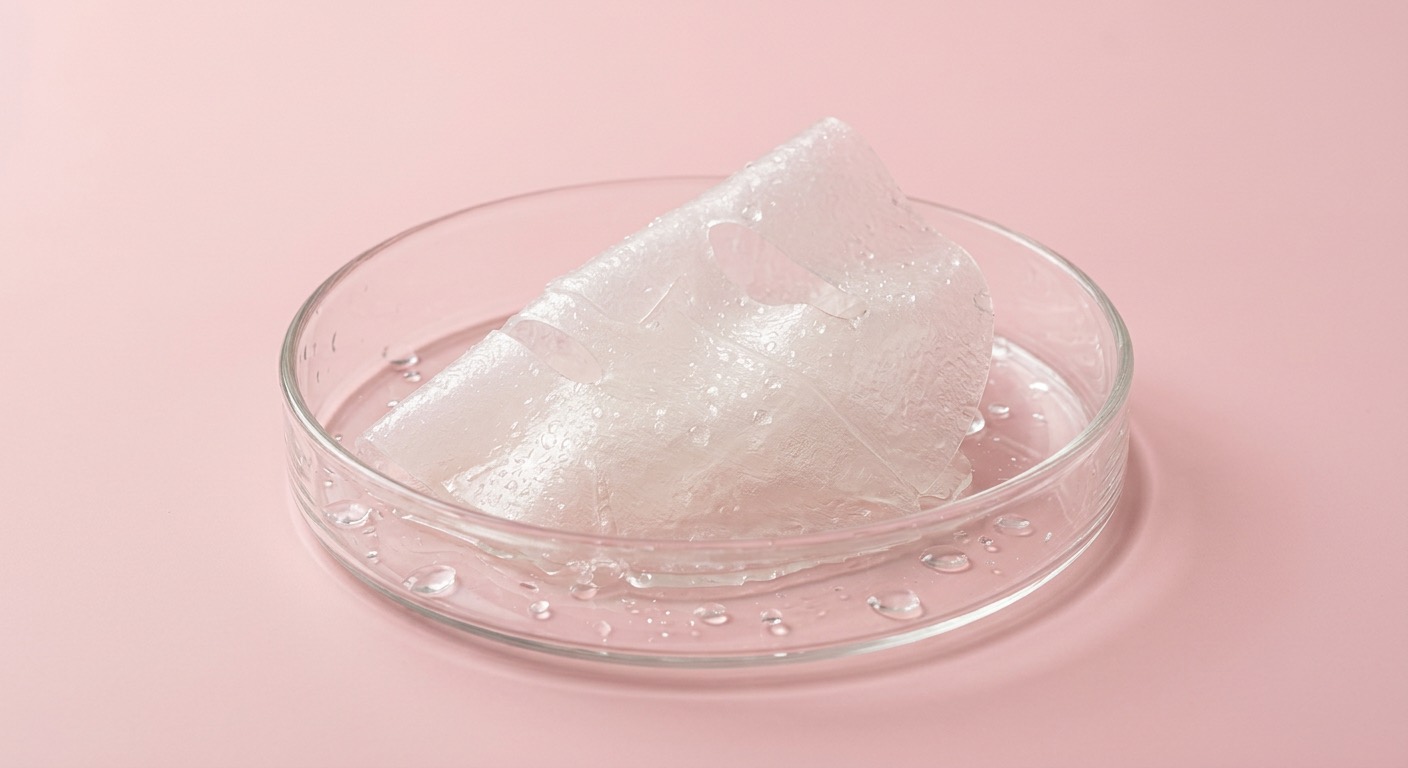
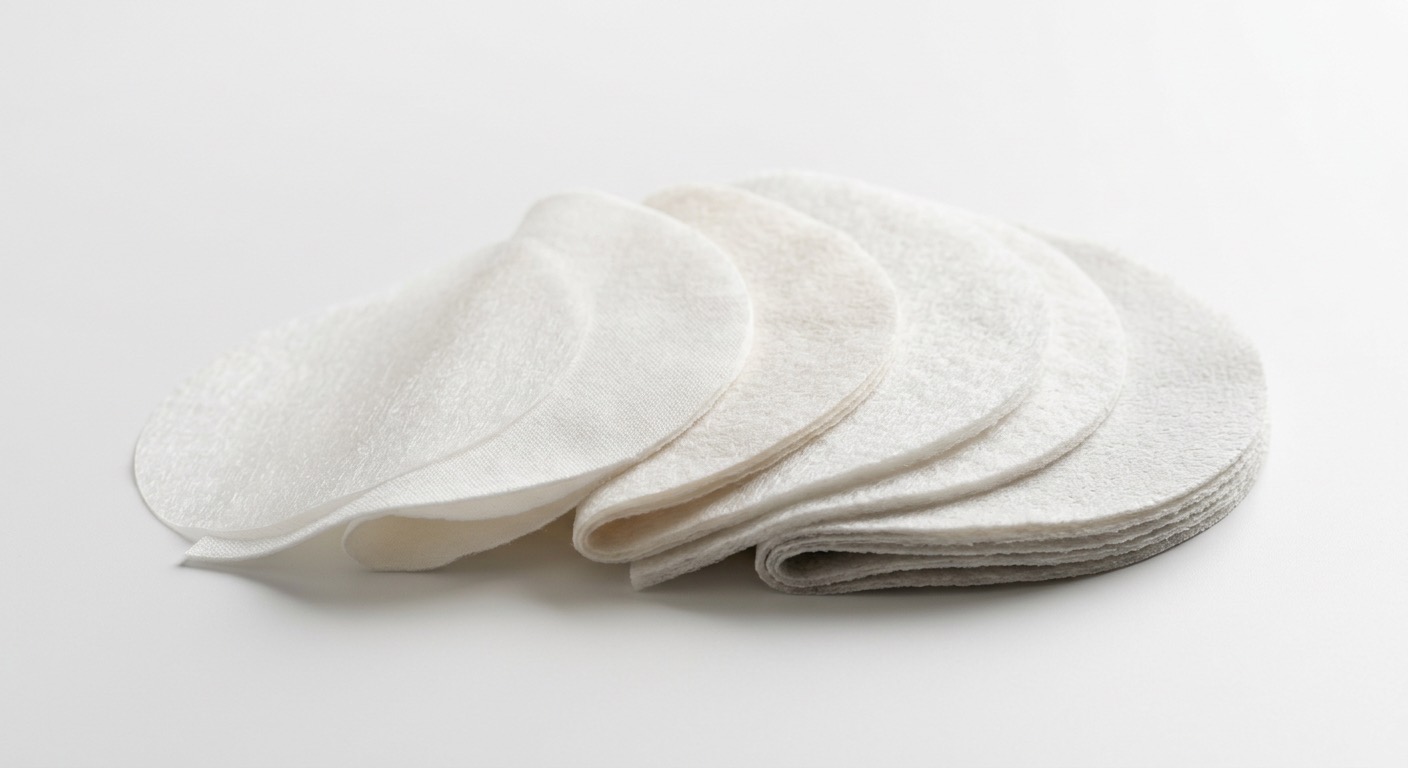
Tencel (lyocell) is a botanic cellulose fiber spun from wood pulp in a closed-loop process, then converted into a soft nonwoven. Bio-cellulose is fermented by bacteria into a continuous hydrogel sheet.
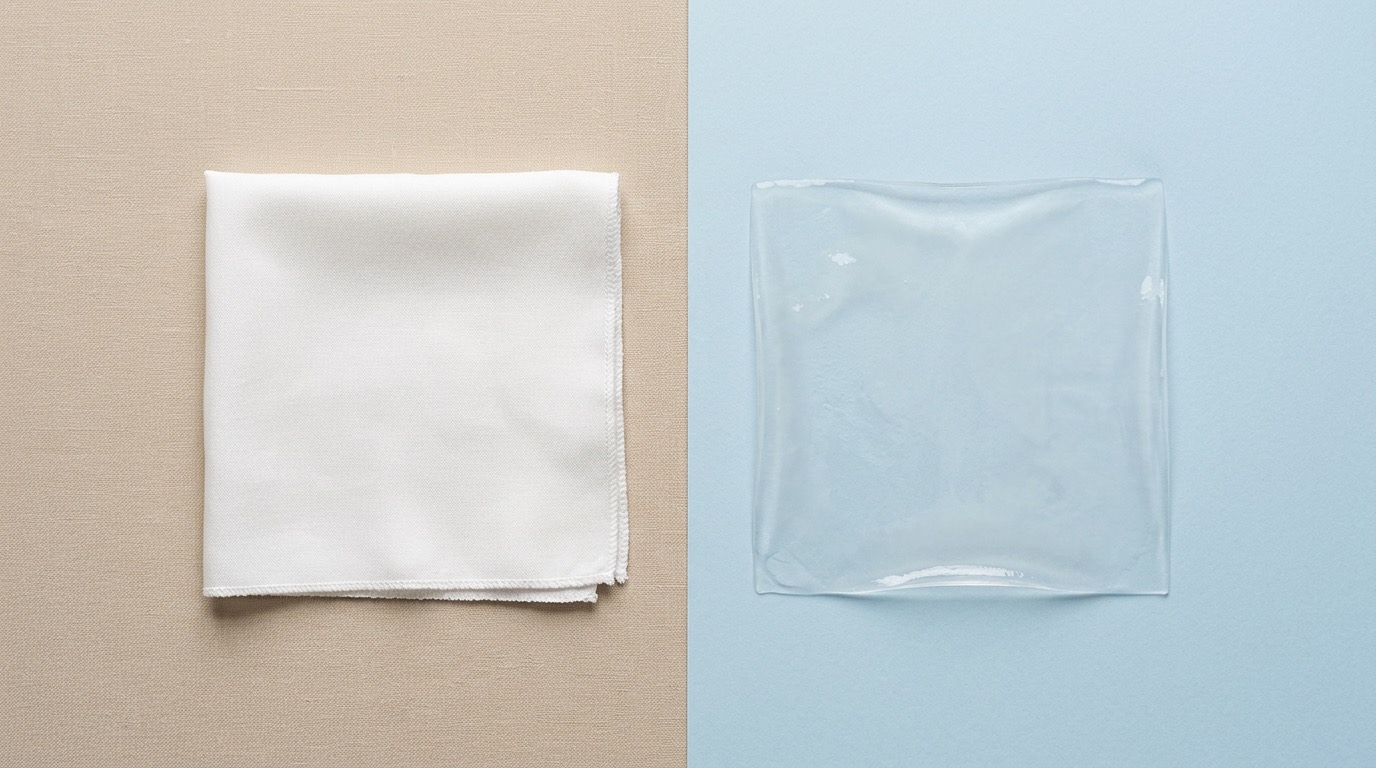
In short: Tencel is a high-quality fabric, and bio-cellulose is a grown gel. Everything else — feel, cost, converting and end-of-life — follows from that difference.
Absorption and serum delivery
Bio-cellulose holds more serum per gram and releases it slowly against the skin, which suits rich, essence-heavy formulas. Tencel wicks serum quickly and distributes it evenly, which suits lighter formulas and larger production runs.
If your hero claim is 'soaked in 30 ml of essence', bio-cellulose tells that story visually. If your priority is consistent, economical saturation across millions of units, Tencel is easier to control.
Transparency, drape and feel
Bio-cellulose is the more transparent of the two and adheres by contact, so it disappears on the face. Tencel is soft, silky and drapes well but remains visibly a fabric, especially at higher grammages.
For a contour-hugging, barely-there look, bio-cellulose wins. For a soft, familiar, everyday sheet that feels substantial, Tencel is hard to beat.
Cost, converting and MOQ
Tencel is significantly cheaper per sheet, converts easily on standard lines and scales predictably. Bio-cellulose is costlier, more delicate to handle and better suited to smaller premium runs.
A common strategy is a two-tier range: Tencel for the core line and bio-cellulose for a hero or gift-set SKU, so you cover both volume and prestige without over-committing.
Sustainability credentials
Both are biobased, vegan and plastic-free, and both biodegrade. Tencel's story centers on responsibly sourced wood pulp and a closed-loop solvent process; bio-cellulose's centers on fermentation and a low land and water footprint.
Neither is 'wrong'. Choose the narrative that matches your brand — forestry stewardship or biotech innovation — and back it with the certification documents.
A simple decision framework
Choose bio-cellulose if: premium positioning, hydration-led claims, and a smaller, higher-margin run. Choose Tencel if: everyday comfort, tight unit economics, and large, predictable volume.
When in doubt, order both as samples, soak them with your actual formula, and wear each for the full ritual. The material that still feels right after twenty minutes is the one to launch.
Key takeaways
- Bio-cellulose is a fermented gel; Tencel is a converted botanic fabric.
- Bio-cellulose holds and releases more serum; Tencel is cheaper and scales better.
- Both are biobased and biodegradable — the difference is the sustainability narrative.
- A two-tier range often beats betting your whole line on one material.
Frequently asked questions
Which one is more transparent?+
Bio-cellulose. Its nano-fiber structure and contact adhesion make it nearly invisible on the skin.
Which is cheaper at scale?+
Tencel. It converts on standard nonwoven lines and has far lower cost per sheet at volume.
Can I use the same formula for both?+
Usually yes, but test saturation and wear time — the two materials hold serum differently.
Which is more sustainable?+
Both qualify as biobased and biodegradable; the better choice depends on your brand's priority — responsible forestry or biotech efficiency.