Seaweed-Blend Substrates: The Future of Eco Masks?
Marine alginate brings a cool, gel-like feel and a strong sustainability story. Here is what brands should know before adding it to a range.
Seaweed and alginate substrates have moved from niche to shelf, especially in K-beauty. They offer a distinctive gel-like experience and an ocean-sourced sustainability narrative — but they also behave differently in production. Here is the honest picture.
What seaweed and alginate substrates are
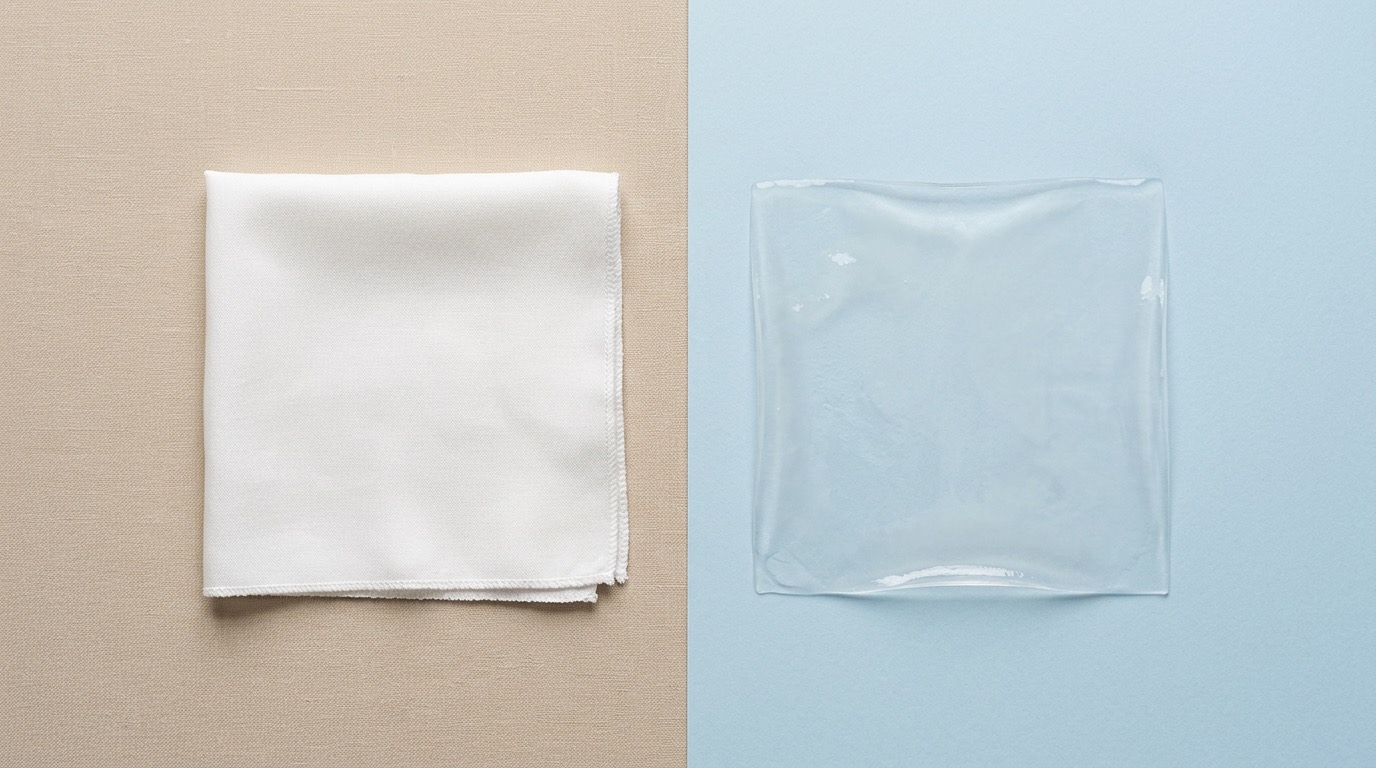
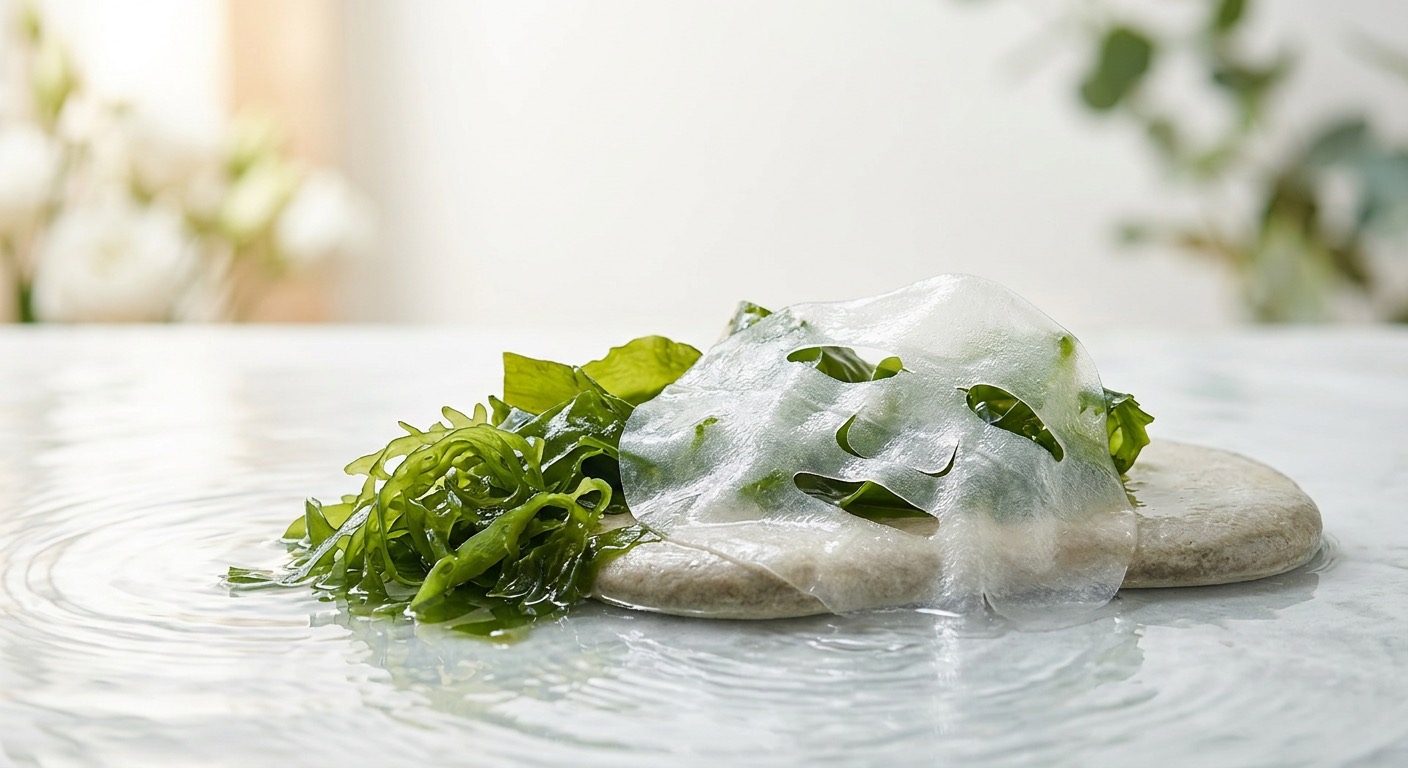
Alginate is extracted from brown seaweed and blended with cellulosic fiber to form a soft, slightly translucent mat. The result carries a pale marine tone and a faintly cool feel.
Unlike bio-cellulose, it is a converted fiber rather than a fermented gel, which makes it easier to scale than a pure hydrogel while keeping a marine story.
The gel-like experience
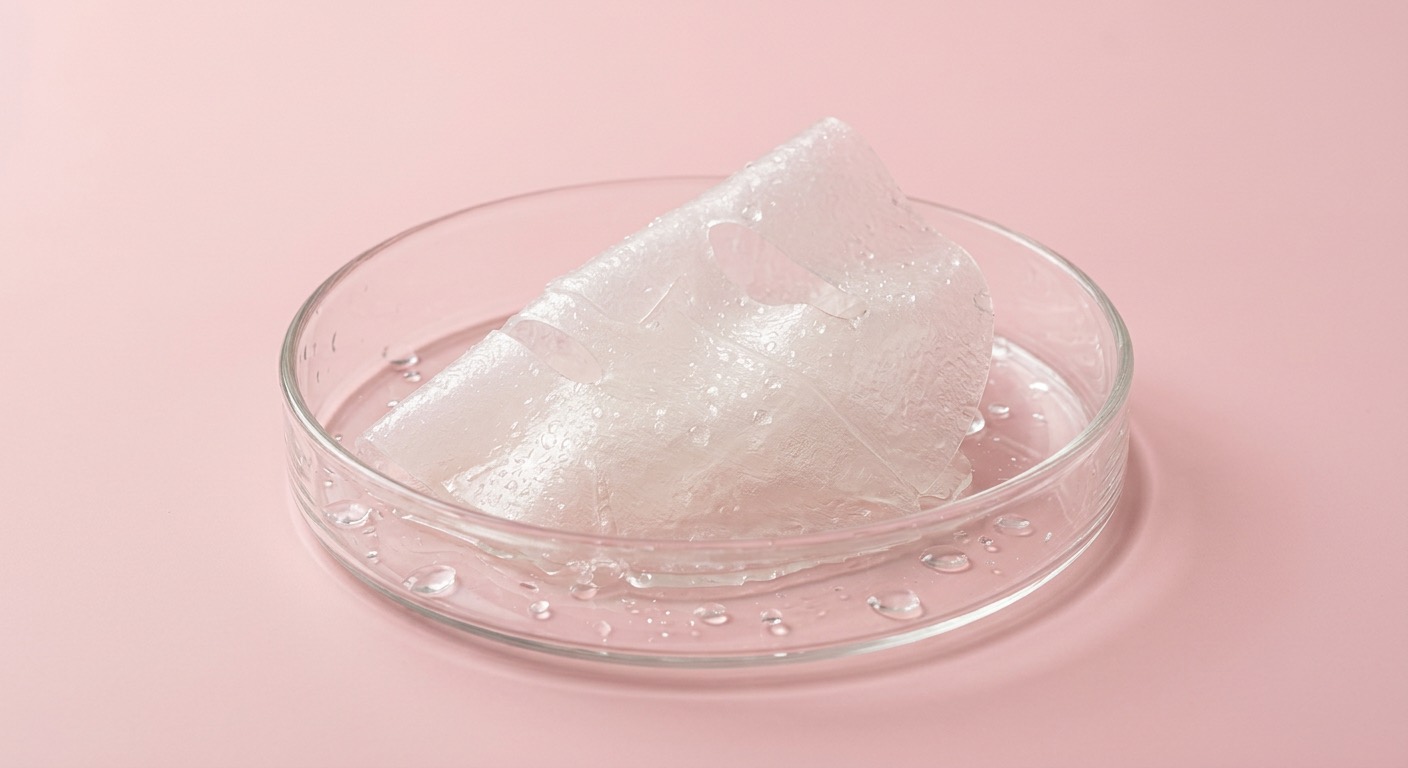
On contact with serum, alginate develops a cushioning, gel-like film that seals moisture against the skin — the comforting 'moisture wrap' effect associated with seaweed masks.
Fluid uptake is high and the wear experience feels cool and soothing, which suits calming and hydration claims. The trade-off is that it becomes slippery when saturated and needs a careful application routine.
Sourcing and the K-beauty angle
Korea popularized the marine-mask story, and much of the alginate supply is optimized there with cosmetic-GMP controls. This makes South Korean sourcing a natural fit for brands leaning into that narrative.
Because seaweed is a natural raw material, batch color and handle can vary. Qualify your supplier on consistency, not just on the sample you first received.
The sustainability story, honestly told
Seaweed cultivation needs no land, no fresh water and no fertilizer, and it absorbs carbon as it grows. The substrate is typically biodegradable and plastic-free.
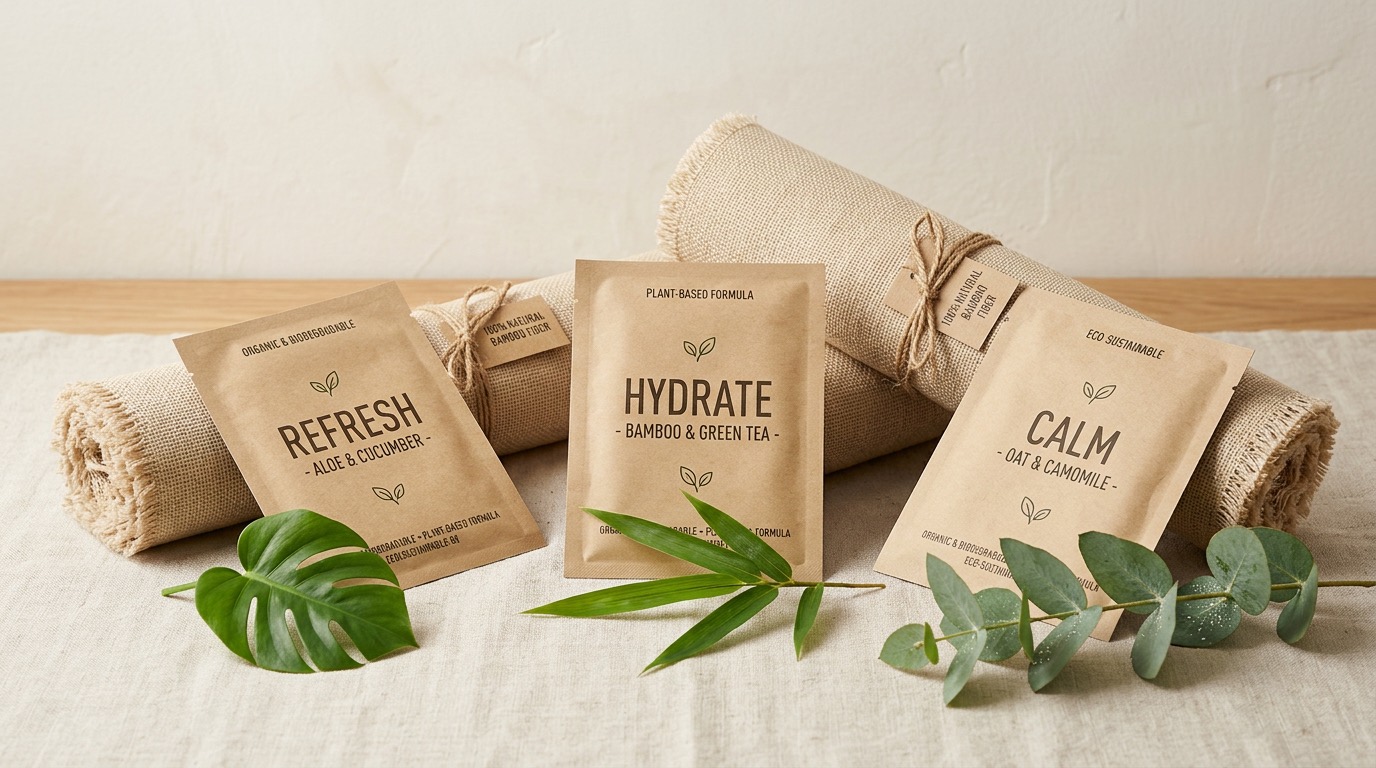
That is a genuinely strong story, but it only holds up if the packaging is also plastic-free and the biodegradability claim is documented. Otherwise the marine sheet is undermined by a plastic pouch.
Limitations and handling
Alginate sheets can be more variable batch-to-batch than synthetic fabrics, and they become delicate when wet. Converting and packing need tighter controls than a standard nonwoven.
Plan for a slightly higher unit cost and a longer qualification cycle, and brief your packaging team early so the pouch protects the material's shelf life.
Key takeaways
- Alginate is a converted marine fiber — easier to scale than a pure hydrogel.
- It delivers a cool, gel-like, moisture-wrap experience that suits calming claims.
- Seaweed cultivation has a strong sustainability story that needs plastic-free packaging to land.
- Expect more batch variability and stricter converting controls than standard nonwoven.
Frequently asked questions
Is seaweed substrate the same as bio-cellulose?+
No. Bio-cellulose is a fermented gel; seaweed alginate is a converted fiber blended with cellulose.
Is it suitable for sensitive skin?+
Alginate is generally well tolerated, but always confirm certifications and test with your own formula.
Does it biodegrade?+
Yes, typically within about 30 days under industrial composting conditions; ask for the test report.
Why does it feel slippery?+
The alginate develops a gel layer when hydrated, which is the source of its cool, cushioning feel.